The Bad of Daylight Saving Time: Sleep Loss, Health Risks, and Hidden Costs
The downside of changing the clocks — sleep disruption, short-term health risks, traffic spikes, and the case against permanent DST from sleep scientists.
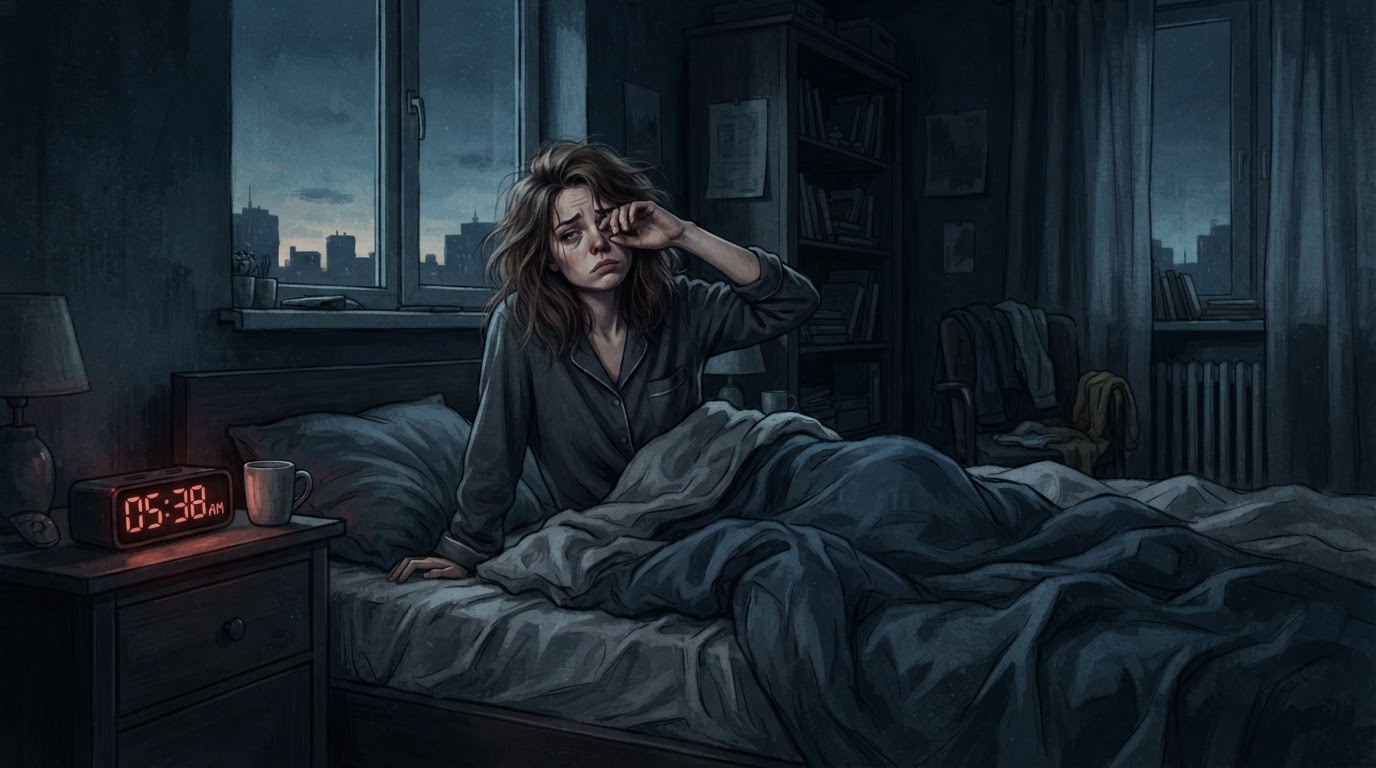
For all its benefits, Daylight Saving Time carries real costs — and they cluster around the twice-yearly transition itself. The human body runs on a roughly 24-hour circadian rhythm tuned to morning light, and abruptly shifting the clock by an hour is, biologically, a mild form of jet lag that the entire population experiences at once.
Sleep disruption and circadian misalignment
The spring forward is the harder of the two transitions because it takes an hour away. Sleep studies consistently show people lose 15 to 40 minutes of sleep in the days after the March change, and sleep quality drops. The circadian system is slow to adjust — it can take several days to fully realign to the new clock time, and for some people, especially night owls and those with irregular schedules, the lag lasts longer.
Short-term health risks
A growing body of research has linked the spring transition to temporary spikes in adverse health events. Studies have observed a brief rise in heart attacks, and some research has noted increases in stroke rates, in the days immediately following the spring forward. The effects are short-lived — rates typically normalize within a week or two — but they point to a real physiological stress from the abrupt shift.
Even a single hour of lost sleep can measurably affect heart rate, blood pressure, and reaction time — and the spring forward applies that loss to an entire population at once.
Traffic and workplace accidents
Several studies have found a bump in fatal traffic accidents in the days after the spring time change, likely tied to sleep deprivation and darker morning commutes. Workplace injuries and certain medical errors also see small increases around the transition. The fall back is gentler on sleep but can still disrupt timing and routine.
Other commonly cited downsides
- Lost productivity and grogginess in the days after the spring forward.
- Darker winter mornings under permanent DST, a concern for schoolchildren waiting for buses.
- Complexity for software, scheduling, and international coordination across mismatched time zones.
- Mixed and sometimes small energy savings that no longer clearly justify the disruption.
Why sleep scientists prefer permanent standard time
This is why the American Academy of Sleep Medicine and many chronobiologists argue against permanent DST and in favor of permanent standard time. Standard time better aligns morning light with the body's internal clock, which governs sleep, hormone release, and metabolism. Permanent DST would lock in later winter sunrises — as late as 8:30 or 9:00 AM in northern states — forcing millions of children and commuters to start their day in darkness.
The US tried permanent DST once before, in 1974 during the energy crisis, and public approval collapsed within months over exactly those dark mornings. The lesson, for many researchers, is not that we should keep changing the clocks — it is that if we stop, the healthier choice is standard time, not daylight time.
Keep track of the next time change
Watch the clock count down to the next Daylight Saving Time transition in real time.