The Good of Daylight Saving Time: Brighter Evenings and Real Benefits
Why do we still change the clocks? A balanced look at the genuine upsides of Daylight Saving Time — longer evenings, more outdoor time, and the case for brighter nights.
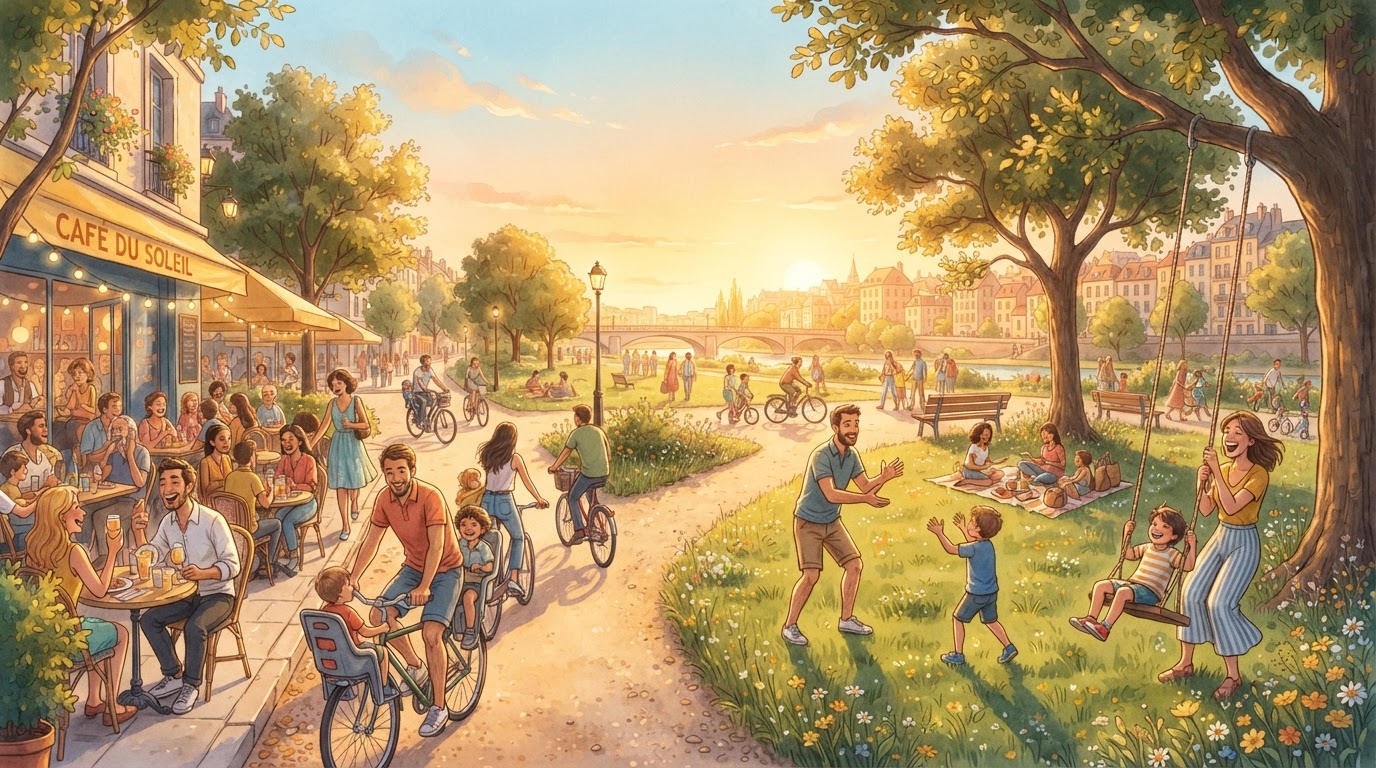
Daylight Saving Time gets a lot of criticism, but it exists for reasons that still resonate. The core idea is simple and genuinely popular: shift an hour of daylight from the early morning — when most people are asleep — to the evening, when they are awake, off work, and outside. For roughly eight months of the year, that trade produces real, felt benefits.
Brighter evenings and more outdoor time
The single biggest benefit of DST is the one most people notice first: longer, lighter evenings. After the spring forward, the sun sets an hour later by the clock, which means more usable daylight after work and school. People walk, run, garden, play sports, and socialize outside later into the evening. For many, this is the part of the year that genuinely feels like summer.
Economic activity and recreation
Brighter evenings drive spending. Studies of DST have found measurable upticks in sectors that depend on after-work foot traffic — retail, restaurants, sporting events, and outdoor recreation. The golf industry, in particular, was historically a vocal supporter of extending DST, citing longer playable hours. Even the barbecue and home-improvement industries report seasonal bumps tied to evening daylight.
The clearest economic case for DST has always been the same: when people have light after work, they go out and spend.
Energy savings — the original argument
Energy conservation was the original justification for national DST, and it still holds, modestly. By reducing the need for artificial lighting in the evening, DST lowers electricity demand during peak hours. Modern studies, including a 2008 US Department of Energy review of the extended DST period, found a small but real reduction in electricity use — roughly 0.5% — with larger savings in lighting offset somewhat by increased heating and cooling. The effect is smaller than it was a century ago, but it has not disappeared.
Other commonly cited benefits
- More evening daylight is associated with increased physical activity and time outdoors.
- Some studies link brighter evenings to modest reductions in certain types of crime, though the evidence is mixed.
- Longer evenings can reduce peak-hour lighting demand, easing strain on the grid at busy times.
- For families, after-school and after-work activities get more usable daylight.
The psychological case for evening light
Beyond the numbers, there is a human argument. Evening light tends to lift mood and extend the felt length of the day. After months of early sunsets, the spring forward is, for many, a psychological turning point — the moment winter loosens its grip. This is part of why permanent DST keeps coming back as a policy idea: people like the evenings bright.
The benefits are real, but they are not the whole story. The trade-offs — sleep loss, health disruption, and the cost of the twice-yearly transition — matter too, and they are worth understanding before deciding whether the clocks should keep changing at all.
Keep track of the next time change
Watch the clock count down to the next Daylight Saving Time transition in real time.